We Install
the Part of the
Building Everyone
Trusts but
No One Sees.
From shaft survey to certificate of occupancy — Ascend crews thread steel rail and hydraulic systems through buildings across the Northeast & Mid-Atlantic. Every phase documented. Every inspection passed. Zero delays at handoff.
Every Phase.
Every Bolt.
On Schedule.
We walk every installation the same way a superintendent walks a schedule — phase by phase, tolerance by tolerance, code reference by code reference. Nothing is hidden. Nothing is improvised.
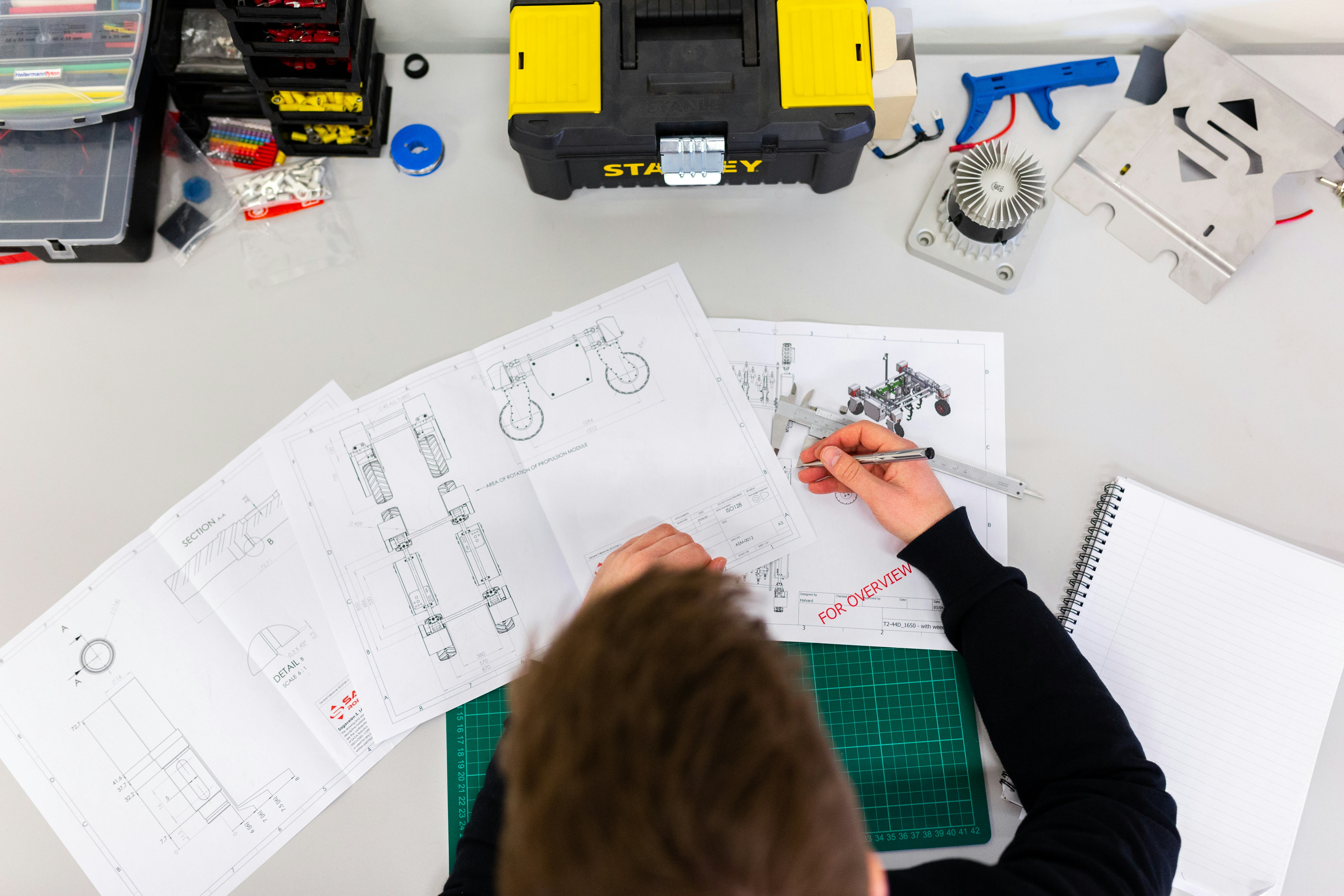
Site Survey & Shaft Assessment
Our lead engineer walks every shaft dimension, reviews structural drawings, and documents hoistway conditions before a single tool enters the building. We identify conflicts with mechanical, electrical, and plumbing trades before they become change orders.
We measure everything twice so nothing surprises you mid-project.
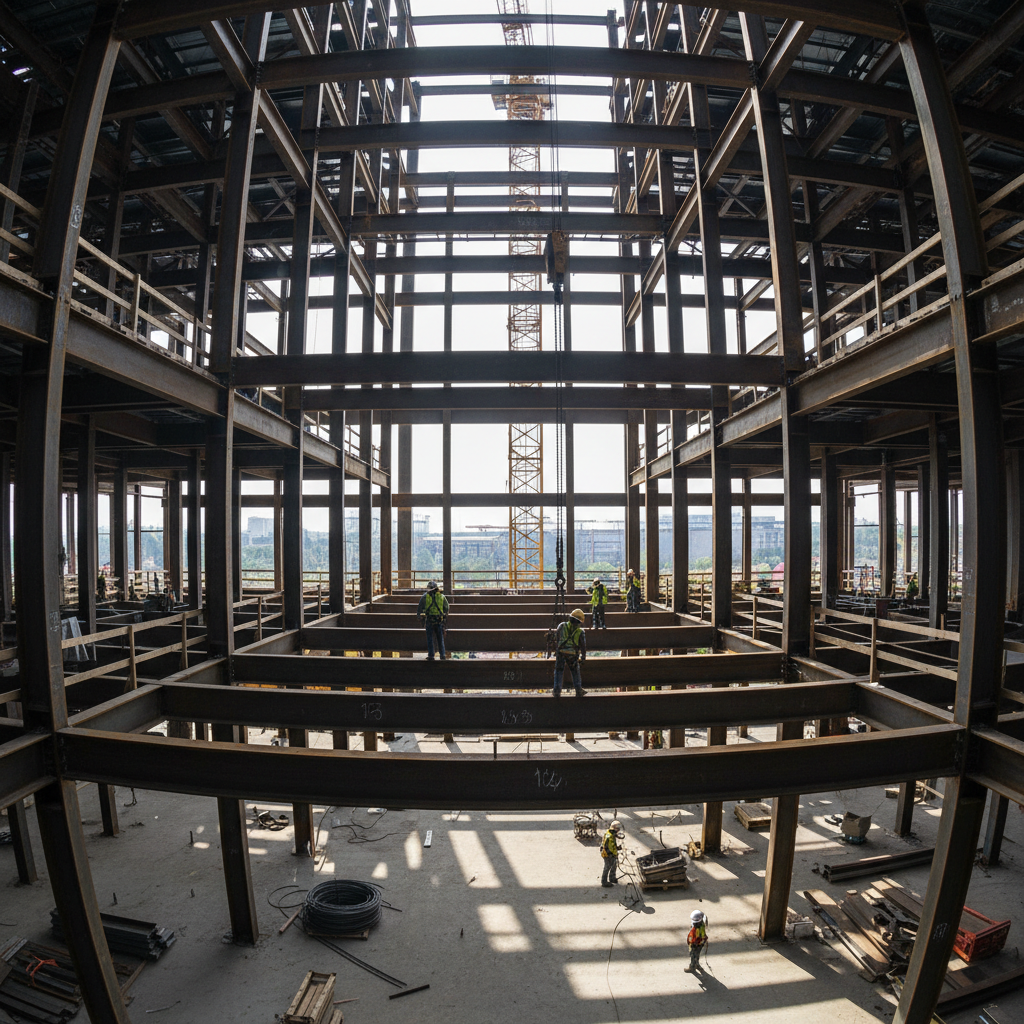
Shaft Preparation & Structural Framing
Pit excavation or pit liner installation, overhead beam placement, and guide-rail bracket anchoring. We coordinate with the GC's concrete and steel trades to hit tolerances within ±⅛ inch — the standard that keeps cabs level for the life of the building.
The shaft is the foundation. We treat it that way.
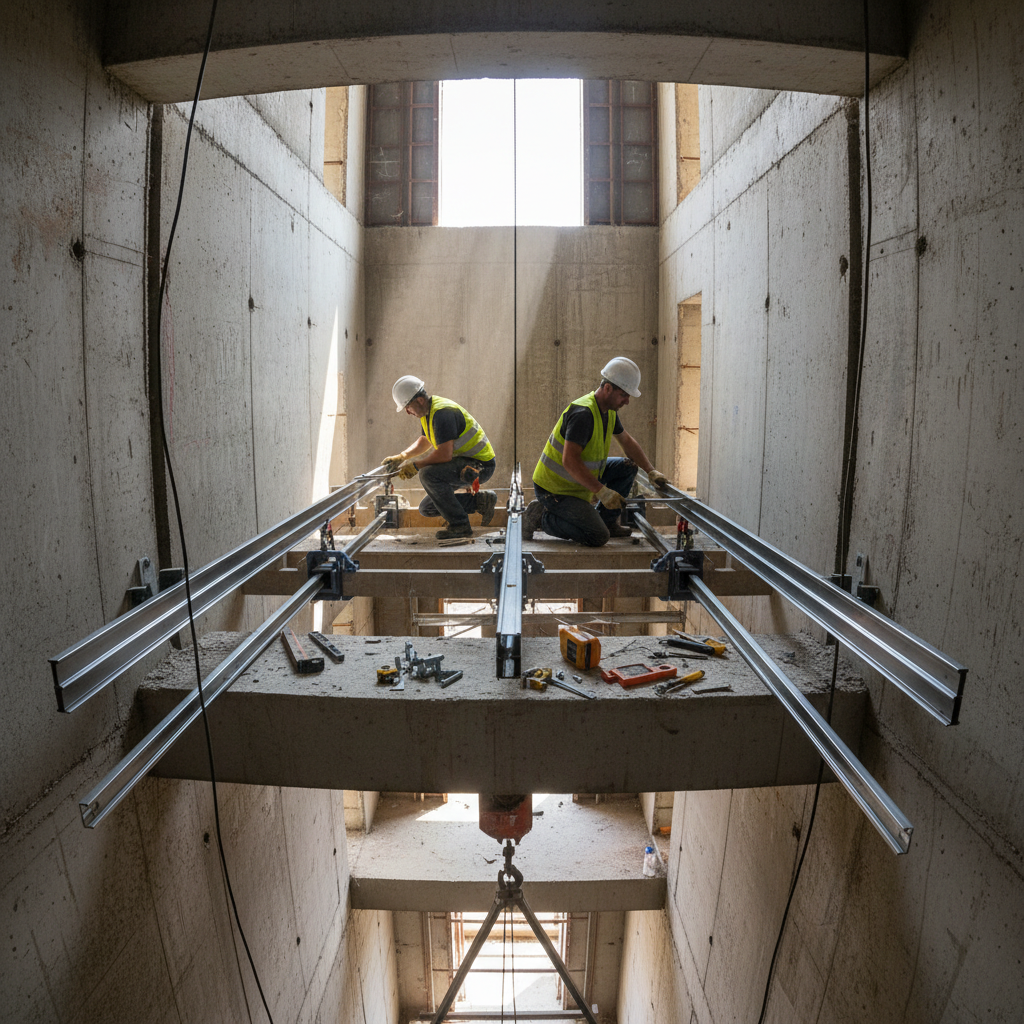
Guide Rail Alignment & Counterweight
Plumb steel guide rails are installed in matched sections from pit to overhead, shimmed to tolerances that eliminate cab sway at any speed. Counterweight frames are rigged and balanced against the cab load — the physics that make every ride imperceptible.
Straight rails mean a smooth ride. We use laser alignment, not guesswork.
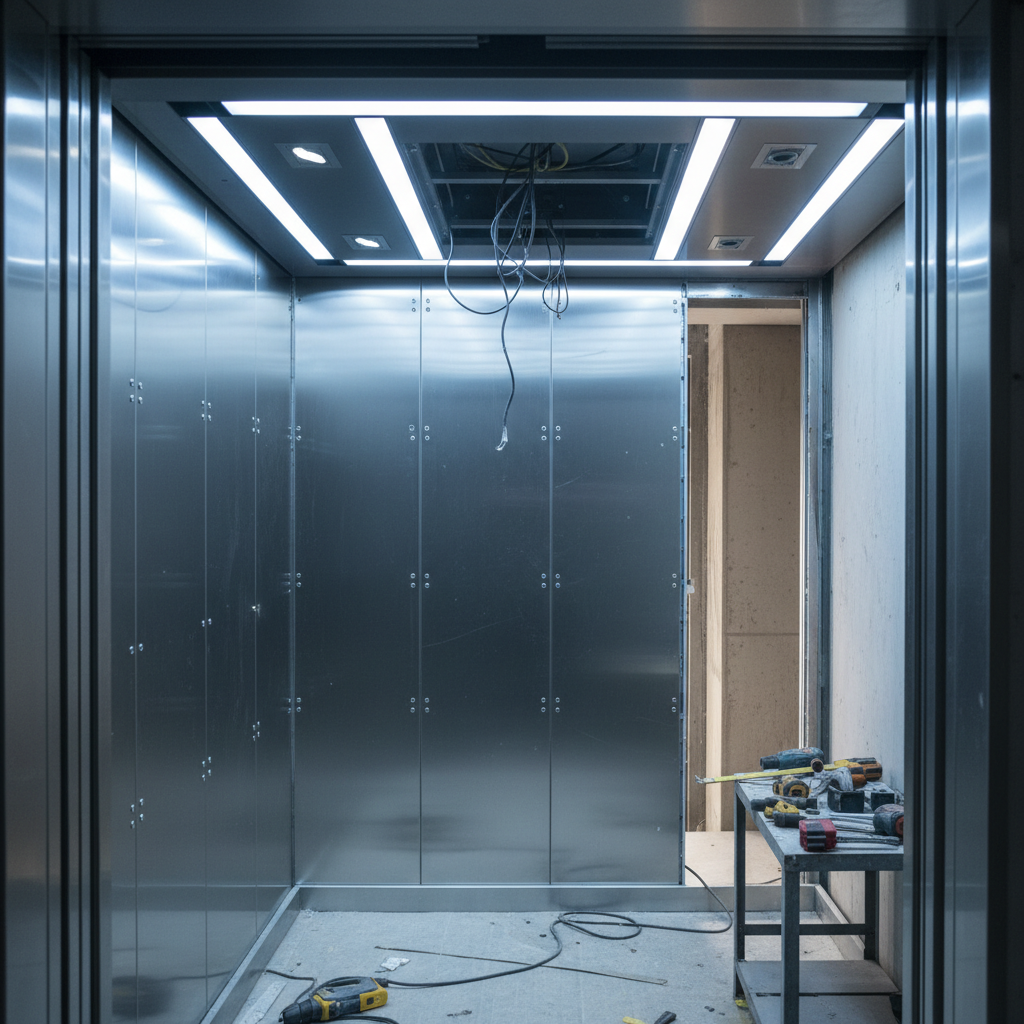
Cab Installation & Door Systems
Cab panels, flooring, ceiling, and lighting are assembled in the hoistway and set on the platform. Door operators, sills, and interlocks are fitted at each landing — the mechanical handshake that the controller verifies before every departure.
What passengers see and touch reflects what we built behind the wall.
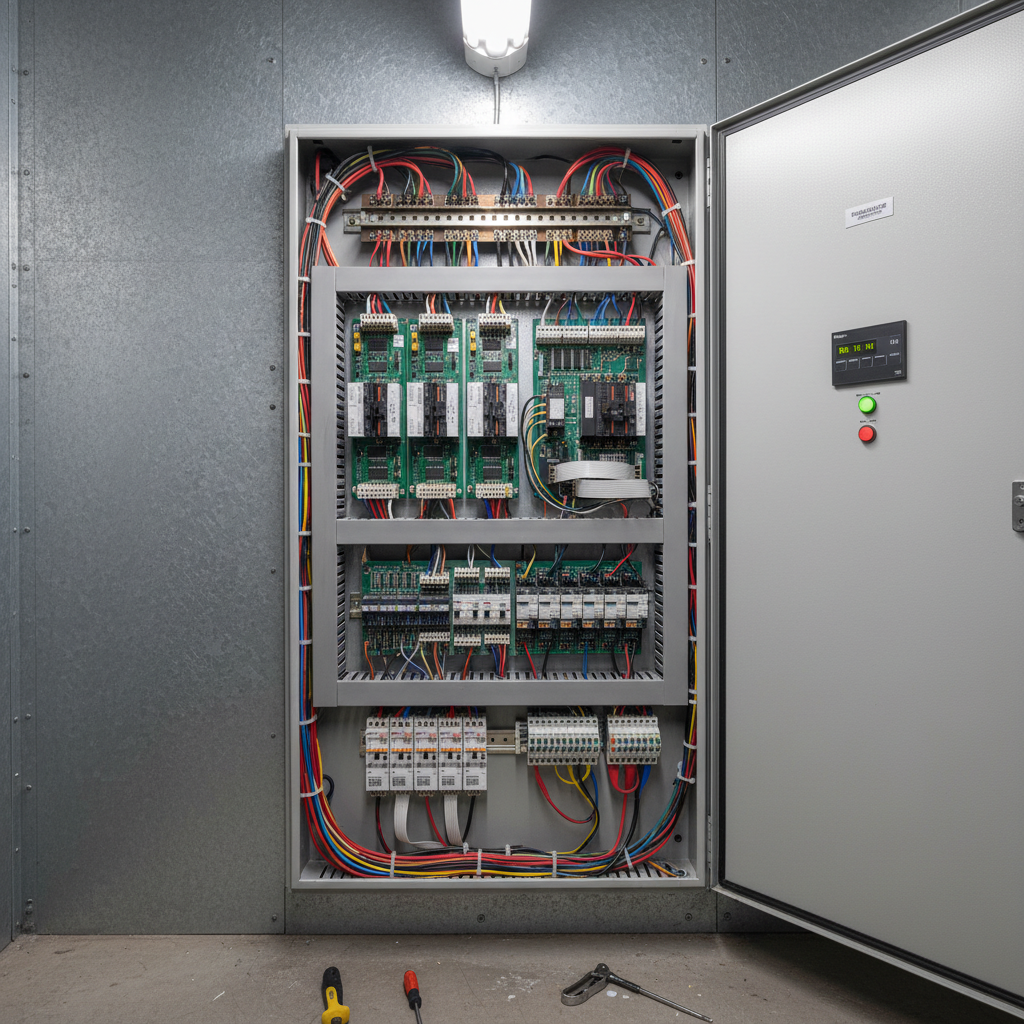
Wiring, Controller & Safety Systems
Machine room or MRL controller installation, traveling cable routing, and full safety circuit commissioning. Every limit switch, buffer, and governor is tested to the point of failure — then reset. We do not leave a building with a safety system that has not been stressed.
If it can fail, we make it fail in the shop — not in the shaft.
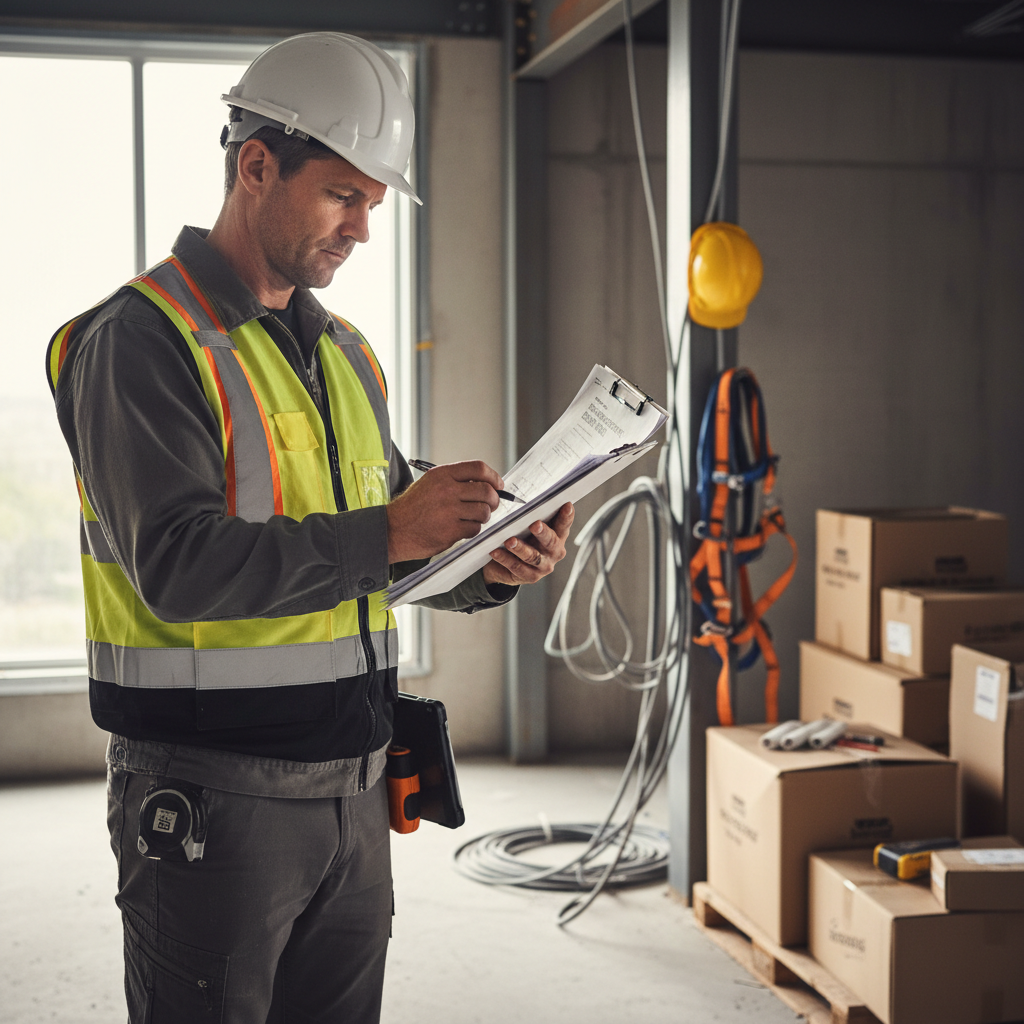
Inspection, Load Test & Certificate of Occupancy
We schedule the AHJ inspection, attend it with a full documentation package — drawings, test reports, material certifications, and the travel log. Load test weights are staged on-site. Our pass rate on first inspection across all jurisdictions is 100% for the past four years.
We hand the certificate to the GC. Not an excuse.
Three Types of
Decision-Makers.
One Standard of Work.
Whether you are breaking ground or modernizing a forty-year-old shaft, our pre-construction process is the same: documented, scheduled, and accountable.
General Contractors
The challenge: Managing ground-up construction timelines where elevator installation sits on the critical path.
We deliver a phase-locked schedule on day one. Our crew coordinates directly with your super — concrete pours, steel erection, MEP rough-in — so the shaft is never the reason the CO is late.
Property Managers
The challenge: Retrofitting aging hydraulic or traction systems in postwar buildings without displacing tenants for weeks.
We scope the modernization around your occupancy calendar. Single-elevator buildings get a guaranteed return-to-service date. Multi-car buildings rotate service so at least one cab runs at all times.
Facility Directors
The challenge: Hospitals, universities, and government facilities that cannot tolerate unplanned downtime on vertical transportation.
Our OSHPD and healthcare-facility crews operate in occupied, infection-controlled environments. Every outage window is pre-approved, documented, and communicated to your operations team 72 hours in advance.
Download Our
Installation
Timeline Guide.
A phase-by-phase PDF mapping every permit, inspection milestone, and trade-coordination checkpoint for your specific building type. We built it so you can walk into a GC meeting or owner review with the same document our project managers use.
Guide Contents
- Phase timeline by building type (low / mid / high-rise)
- Permit sequence and typical AHJ review windows
- Trade coordination matrix (concrete, steel, MEP)
- Inspection checklist — ASME A17.1 cross-referenced
- Modernization vs. new construction decision tree
Already past the planning stage? Skip the guide and go straight to a shaft assessment.
Request Shaft AssessmentGet Your Copy
Three fields. We use your building type and project stage to send the version of the guide that matches your situation.